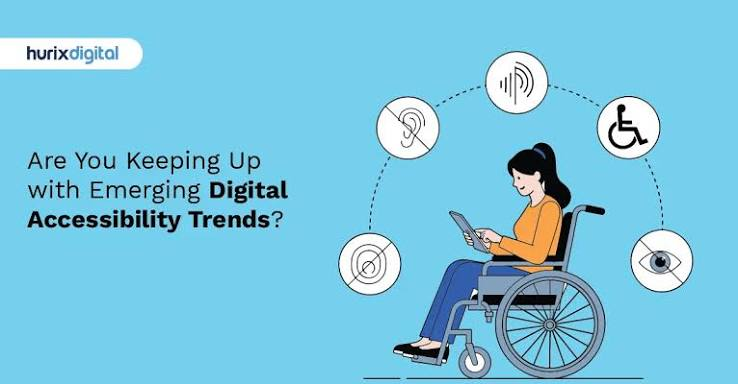
The digital world has transformed the way people communicate, work, learn, shop, and access essential services. Websites, applications, and online platforms have become central parts of everyday life, making it more important than ever to ensure that these experiences are available to everyone. Digital accessibility is no longer just a technical requirement; it is a commitment to creating inclusive environments where people of all abilities can participate equally. Modern businesses and organizations are beginning to recognize that accessibility improves usability, expands audiences, and strengthens digital experiences. Platforms exploring new online opportunities, such as those connected with luxury111, highlight how important it is for digital spaces to be designed with wider audiences in mind.
A fresh perspective on digital accessibility means moving beyond basic compliance and focusing on thoughtful design, innovation, and user-centered solutions. Instead of viewing accessibility as an additional feature, companies are increasingly treating it as a foundation of successful digital products. By considering different user needs from the beginning, organizations can build experiences that are easier, more flexible, and more enjoyable for everyone.
Understanding the Meaning of Digital Accessibility
Digital accessibility refers to the practice of designing digital content, tools, and technologies so that people with disabilities can use them effectively. This includes individuals with visual, hearing, cognitive, neurological, and physical disabilities. Accessibility ensures that users can navigate websites, understand information, interact with features, and complete tasks without unnecessary barriers.
A truly accessible digital experience considers various ways people interact with technology. Some users may rely on screen readers to understand website content, while others may require keyboard navigation instead of a mouse. Some may need clear language, adjustable text sizes, captions, or alternative formats to access information comfortably.
The goal of accessibility is not simply to meet standards but to create digital experiences that respect different abilities and preferences. When accessibility becomes part of the design process, technology becomes more adaptable and useful for a much broader audience.
Moving Beyond Compliance Toward Inclusion
For many years, digital accessibility was viewed mainly as a matter of following regulations and technical guidelines. While standards remain important, modern accessibility thinking goes further. Compliance provides a minimum level of support, but inclusion focuses on creating experiences that genuinely work for real people.
A website may technically meet accessibility requirements but still provide a frustrating experience if users struggle to find information or complete important actions. A more inclusive approach involves understanding user challenges, gathering feedback, and continuously improving digital interactions.
Organizations that embrace accessibility as a core value often discover benefits beyond supporting people with disabilities. Clear layouts, simple navigation, readable content, and flexible features improve experiences for all users, including older adults, temporary injury sufferers, and people using devices in challenging environments.
The Importance of User-Centered Accessibility Design
User-centered design places real people at the heart of the development process. Instead of assuming what users need, designers and developers research behaviors, challenges, and expectations. This approach is especially valuable when creating accessible digital platforms.
Effective accessibility design begins with understanding diverse users. Testing websites and applications with people who have different abilities can reveal obstacles that automated tools may miss. Real feedback helps teams create solutions that are practical and meaningful.
For example, adding captions to videos does not only benefit people with hearing disabilities. It also helps users watching content in noisy environments or those who prefer reading information rather than listening. Similarly, clear website structures support users with cognitive disabilities while also improving navigation for everyone.
Technology’s Role in Improving Accessibility
Advancements in technology are opening new possibilities for accessible digital experiences. Artificial intelligence, voice recognition, automation, and adaptive interfaces are helping create more personalized and flexible interactions.
Voice assistants allow users to control devices through speech, reducing barriers for people who have difficulty using traditional input methods. Artificial intelligence can support features such as automatic captions, image descriptions, and personalized recommendations. These innovations are helping make digital environments more responsive to individual needs.
However, technology alone cannot solve every accessibility challenge. Thoughtful planning, ethical design decisions, and continuous testing remain essential. The best results come when human understanding and technological innovation work together.
Creating Accessible Websites and Applications
Building an accessible digital platform requires attention to many design elements. A strong accessibility strategy includes both technical improvements and thoughtful content creation.
Some important practices include:
Clear Navigation Structures
Users should be able to understand where they are and where they can go. Simple menus, logical page organization, and consistent layouts make navigation easier for everyone.
Readable Content
Content should use clear language, appropriate headings, and organized sections. Avoiding unnecessary complexity helps users quickly understand information.
Alternative Content Formats
Images, videos, and multimedia elements should provide alternatives such as descriptive text, captions, and transcripts. These features ensure that important information is not limited to one method of communication.
Keyboard-Friendly Experiences
Many users rely on keyboards or assistive technologies instead of traditional mouse controls. Websites should allow complete navigation through accessible controls.
Responsive and Flexible Design
People access digital content through different devices and screen sizes. Flexible designs ensure that users can interact comfortably regardless of their technology.
Accessibility as a Business Advantage
Digital accessibility is often discussed as a responsibility, but it also provides significant business advantages. Inclusive digital experiences can help organizations reach larger audiences, improve customer satisfaction, and strengthen brand reputation.
Millions of people worldwide experience some form of disability, representing a substantial group of potential users and customers. Businesses that ignore accessibility may unintentionally exclude valuable audiences.
Accessible websites also tend to have better overall usability. Features such as faster loading times, organized content, mobile-friendly layouts, and clear navigation often improve search performance and user engagement.
Companies that prioritize accessibility demonstrate social responsibility and build stronger relationships with their audiences. In a competitive digital environment, creating welcoming experiences can become an important factor in long-term success.
The Connection Between Accessibility and Innovation
Accessibility often encourages innovation because it challenges designers to think differently. When teams consider diverse user needs, they frequently develop creative solutions that improve technology for everyone.
Many widely used digital features originally developed for accessibility purposes have become mainstream. Voice controls, predictive text, and video captions are examples of technologies that benefit a wide range of users.
This demonstrates that accessibility is not about limiting creativity. Instead, it inspires better ideas by encouraging flexible and adaptable solutions.
Overcoming Common Accessibility Challenges
Although awareness of digital accessibility is growing, many organizations still face challenges. Some struggle with limited knowledge, outdated systems, or a lack of accessibility-focused resources.
One common mistake is treating accessibility as something to address at the end of development. Retrofitting accessibility features later can be more expensive and less effective. Integrating accessibility from the beginning creates smoother results.
Another challenge is relying only on automated testing tools. While these tools can identify certain issues, they cannot fully understand user experiences. Combining automated testing with human evaluation creates a more complete accessibility strategy.
Education and training are also essential. Designers, developers, content creators, and decision-makers should understand accessibility principles and their impact on users.
The Future of Digital Accessibility
The future of digital accessibility will continue to evolve as technology and user expectations change. Emerging technologies will create new opportunities for personalization, adaptability, and inclusive interaction.
Organizations will likely move toward more proactive accessibility strategies, designing digital products that naturally support diverse users rather than adding accessibility features later.
Artificial intelligence and automation may further improve accessibility by helping identify barriers, generate alternative content, and customize experiences. However, maintaining human-centered thinking will remain critical to ensuring that technology truly serves people.
Accessibility will become increasingly connected with broader concepts of digital equality, ethical innovation, and responsible technology development.
Conclusion: Building a More Inclusive Digital Future
Digital accessibility represents a new way of thinking about technology and human connection. It is not simply about meeting requirements; it is about creating digital experiences that welcome everyone. A fresh perspective on accessibility encourages organizations to focus on empathy, innovation, and meaningful user experiences.
As the digital landscape continues to expand, accessibility will play a vital role in shaping how people interact with technology. Businesses and creators that embrace inclusive design will be better prepared to serve diverse audiences and build stronger digital communities.
By making accessibility a priority from the beginning, we can create a future where technology removes barriers instead of creating them. An inclusive digital world benefits everyone, proving that the best digital experiences are those designed with every user in mind.
Leave a Reply