Introduction
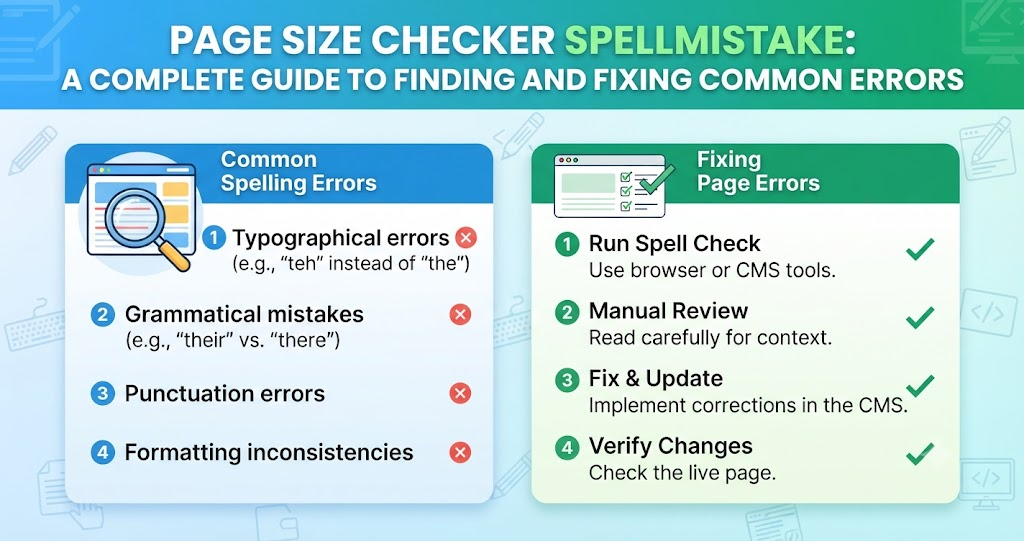
The term page size checker spellmistake is becoming increasingly common among website owners, students, content creators, and digital marketers who search for tools that measure webpage size and performance. In many cases, users accidentally type incorrect spellings while looking for a page size checker, resulting in confusion or difficulty finding the right information. Understanding the concept of a page size checker spellmistake can help users improve search accuracy, locate the correct tools, and optimize their websites more effectively. A page size checker is generally used to analyze the total size of a webpage, including images, scripts, stylesheets, and other resources. When spelling mistakes occur during searches, users may miss valuable resources that could help improve loading speed and user experience. Fortunately, learning how these mistakes happen and how to correct them is simple. Whether you are a beginner learning about website optimization or an intermediate user looking to improve technical knowledge, understanding page size analysis can be highly beneficial. This guide explains what a page size checker spellmistake means, why it matters, how to avoid common errors, and how to use page size checking tools efficiently for better website performance and online success.
What is Page Size Checker Spellmistake?
A page size checker spellmistake refers to a spelling error made while searching for or referencing a page size checker tool. Users may accidentally type incorrect words, miss letters, add extra characters, or use alternative spellings.
For example, someone searching for “page size checker” might mistakenly enter variations that lead to irrelevant results. These errors can delay research and reduce efficiency when looking for website performance information.
Why is Page Size Checker Spellmistake Important?
Understanding a page size checker spellmistake is important because search accuracy directly affects the quality of information users receive. Incorrect spellings can produce unrelated search results and make it difficult to locate useful tools.
For website owners and digital professionals, finding the correct page size checker helps monitor webpage performance, loading speed, and optimization opportunities. Eliminating spelling mistakes saves time and improves productivity.
Detailed Step-by-Step Guide
Step 1: Identify the Correct Search Term
Before searching, confirm that the phrase “page size checker” is spelled correctly. Double-check every word to avoid unnecessary mistakes.
Step 2: Use Search Suggestions
Modern search engines often provide suggestions when users enter incorrect spellings. Review these recommendations carefully.
Step 3: Verify Tool Names
When using a page size checking tool, ensure the platform name and related terms are accurate.
Step 4: Analyze Page Size Results
Review the webpage size data, including images, scripts, and multimedia files that affect loading performance.
Step 5: Optimize Website Resources
Reduce unnecessary file sizes, compress images, and remove unused code to improve loading speed and overall efficiency.
Benefits of Page Size Checker Spellmistake Awareness
- Helps users find accurate search results.
- Reduces wasted time during research.
- Improves website optimization efforts.
- Enhances understanding of webpage performance.
- Supports better search engine visibility.
- Encourages accurate technical terminology.
- Improves learning for beginners.
- Helps identify performance-related issues quickly.
Disadvantages / Risks
- Incorrect searches may lead to unreliable information.
- Users may select unsuitable tools due to confusion.
- Time can be wasted reviewing irrelevant results.
- Website optimization efforts may be delayed.
- Technical misunderstandings can occur.
- Learning progress may slow when accurate resources are not found.
Common Mistakes to Avoid
One common mistake is typing search terms too quickly without reviewing them before submitting a query. Another error involves relying on memory instead of verifying technical terminology. Users also frequently ignore search suggestions that could immediately correct spelling problems.
Additionally, some individuals assume all page analysis tools provide identical information. Comparing tool features and understanding their specific functions helps avoid confusion. Taking a few extra seconds to verify spelling often saves significant time later.
FAQs
1. What does page size checker spellmistake mean?
It refers to an incorrect spelling used when searching for or discussing page size checker tools and related website performance resources.
2. Why do spelling mistakes affect search results?
Search engines attempt to interpret user intent, but severe spelling errors can lead to unrelated or less useful results.
3. What is a page size checker?
A page size checker is a tool that measures the total size of a webpage and its resources to evaluate performance.
4. How does page size affect website speed?
Larger webpages usually take longer to load, which can negatively affect user experience and engagement.
5. Can beginners use page size checker tools?
Yes. Most page size analysis tools are designed to be user-friendly and provide understandable reports.
6. How can I avoid page size checker spellmistake issues?
Proofread search queries, use search suggestions, and become familiar with commonly used technical terms.
Expert Tips & Bonus Points
Keep a list of commonly used technical terms to reduce typing errors. Use browser autocomplete features when appropriate and verify important search phrases before conducting research. When analyzing page size reports, focus on the largest resources first because they often provide the biggest optimization opportunities. Regular website audits help maintain performance and ensure that loading speeds remain competitive. Learning correct terminology also improves communication with developers, marketers, and website administrators.
Conclusion
Understanding the concept of a page size checker spellmistake may seem minor at first, but it can significantly affect the efficiency of online research and website optimization efforts. Accurate spelling helps users locate relevant tools, obtain reliable information, and make better decisions when analyzing webpage performance. Since page size directly influences loading speed, user satisfaction, and overall website effectiveness, using the correct search terms is essential. A simple spelling error can create confusion, waste valuable time, and prevent access to useful resources. Fortunately, avoiding these mistakes is easy through careful proofreading, search suggestions, and familiarity with technical vocabulary. Beginners can quickly develop better habits by paying attention to common terminology, while intermediate users can improve workflow efficiency through consistent accuracy. Regularly checking webpage size, optimizing resources, and understanding performance metrics contribute to a stronger online presence. By following the recommendations outlined in this guide, users can minimize search-related errors, improve productivity, and gain greater confidence when working with website performance tools. Small improvements in accuracy often lead to better results, making careful attention to spelling an important part of successful digital practices.
Leave a Reply