Introduction
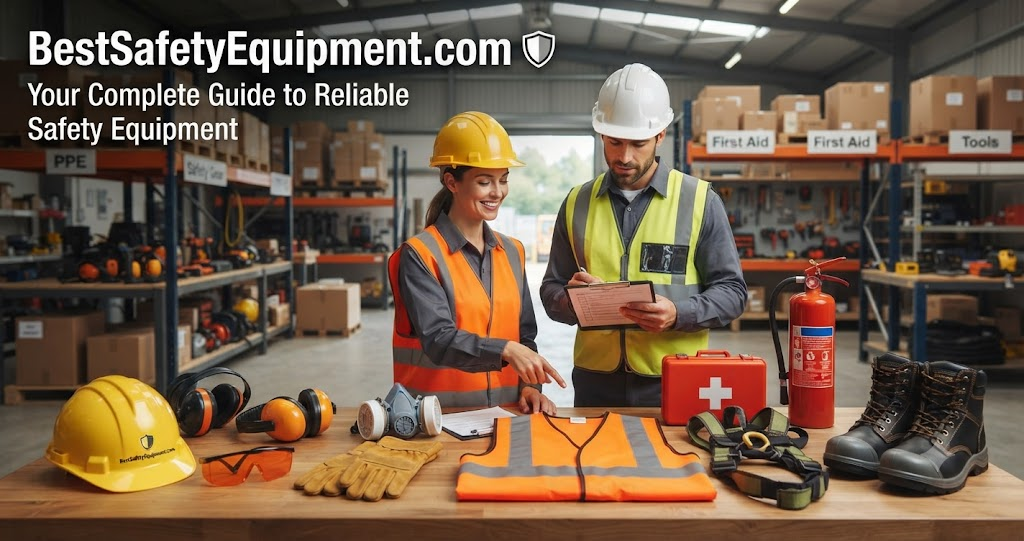
Workplace safety is essential in every industry, whether you work in construction, manufacturing, healthcare, warehouses, laboratories, or home improvement. Choosing the right protective equipment helps reduce injuries, improves confidence, and creates a safer environment for everyone. Many people search for BestSafetyEquipment.com when looking for information about safety products, protective gear, and practical buying guidance. Understanding how to evaluate safety equipment is just as important as purchasing it. High-quality protective gear provides better durability, comfort, and reliable performance during daily work. Beginners often feel confused because of the wide variety of helmets, gloves, safety glasses, boots, respirators, and reflective clothing available. Learning about each category makes selecting suitable equipment much easier. This guide explains the purpose of BestSafetyEquipment.com, why safety equipment matters, practical steps for choosing protective products, common mistakes to avoid, frequently asked questions, expert recommendations, and useful tips for maintaining workplace safety. Whether you are purchasing equipment for yourself or your organization, informed decisions help improve protection, reduce workplace risks, and encourage a stronger culture of safety for everyone involved.
What is BestSafetyEquipment.com?
BestSafetyEquipment.com is a website that focuses on information related to safety equipment and personal protective gear. Visitors may use it to explore different categories of protective products and learn about selecting equipment suitable for various working environments.
Understanding protective equipment allows users to choose products that match their workplace hazards while supporting safer working practices.
Why is BestSafetyEquipment.com Important?
Reliable safety equipment reduces the likelihood of workplace injuries and helps individuals perform tasks more confidently. Learning about protective products before purchasing them supports informed decision-making and encourages responsible safety practices.
Understanding equipment features also helps users select products that provide comfort, durability, and appropriate protection for specific work environments.
Detailed Step-by-Step Guide
Step 1: Identify Workplace Hazards
Determine the risks present in your workplace, such as falling objects, chemicals, dust, electrical hazards, or loud noise.
Step 2: Choose Appropriate Equipment
Select protective gear designed specifically for the hazards you have identified.
Step 3: Verify Product Quality
Review certifications, materials, durability, comfort, and proper sizing before purchasing.
Step 4: Learn Proper Usage
Understand how to wear, adjust, inspect, and maintain each piece of protective equipment correctly.
Step 5: Replace Worn Equipment
Inspect equipment regularly and replace damaged or expired items immediately to maintain reliable protection.
Benefits of BestSafetyEquipment.com
- Supports informed purchasing decisions.
- Promotes workplace safety awareness.
- Helps users understand protective equipment.
- Encourages proper equipment maintenance.
- Improves confidence during hazardous tasks.
- Reduces unnecessary workplace risks.
- Saves research time.
- Supports long-term safety planning.
Disadvantages / Risks
- Information alone cannot replace professional safety training.
- Incorrect equipment selection reduces effectiveness.
- Poor maintenance shortens equipment lifespan.
- Workplace requirements may vary.
- Individual hazards require different protective solutions.
- Regular inspections remain essential.
Common Mistakes to Avoid
Many people purchase safety equipment based only on price instead of quality and certification. Others select products without considering their workplace hazards or proper sizing.
Another common mistake is failing to inspect equipment regularly or continuing to use damaged protective gear. Proper maintenance and timely replacement are essential for effective protection.
FAQs
1. Why is safety equipment important?
Safety equipment helps reduce injuries and protects workers from workplace hazards.
2. Who should use protective equipment?
Anyone exposed to physical, chemical, electrical, or environmental hazards should use appropriate protective gear.
3. How do I choose the correct equipment?
Identify workplace hazards first, then select equipment specifically designed to provide protection against those risks.
4. How often should safety equipment be replaced?
Replacement depends on manufacturer recommendations, visible damage, usage frequency, and workplace conditions.
5. Does expensive equipment always provide better protection?
Not necessarily. Quality, certification, proper fit, and suitability for the intended task are more important than price alone.
6. Why is regular equipment inspection necessary?
Routine inspections identify damage before it reduces protective performance and workplace safety.
Expert Tips & Bonus Points
Always purchase certified safety equipment from reliable suppliers and ensure every user receives proper training before using protective gear. Store equipment in clean, dry locations and inspect it before every use. Replace damaged items immediately rather than attempting temporary repairs. Building consistent safety habits helps reduce accidents and improves long-term workplace performance.
Conclusion
Choosing reliable protective equipment is one of the most effective ways to improve workplace safety and reduce unnecessary risks. BestSafetyEquipment.com serves as a useful starting point for individuals who want to learn about safety gear, understand different product categories, and make informed purchasing decisions. Proper equipment selection should always begin with identifying workplace hazards, choosing products designed for those risks, and ensuring correct fit and regular maintenance. While quality protective equipment provides valuable protection, consistent training and responsible workplace practices remain equally important. Beginners can gain confidence by learning the basics of personal protective equipment, while experienced professionals benefit from regularly reviewing safety procedures and replacing worn products when necessary. Investing in dependable safety equipment supports productivity, reduces accidents, and encourages a culture where protecting people becomes a daily priority. By applying the recommendations outlined in this guide, individuals and organizations can make smarter decisions, improve workplace safety, and create healthier environments where everyone can perform their responsibilities with greater confidence and peace of mind.
Leave a Reply